



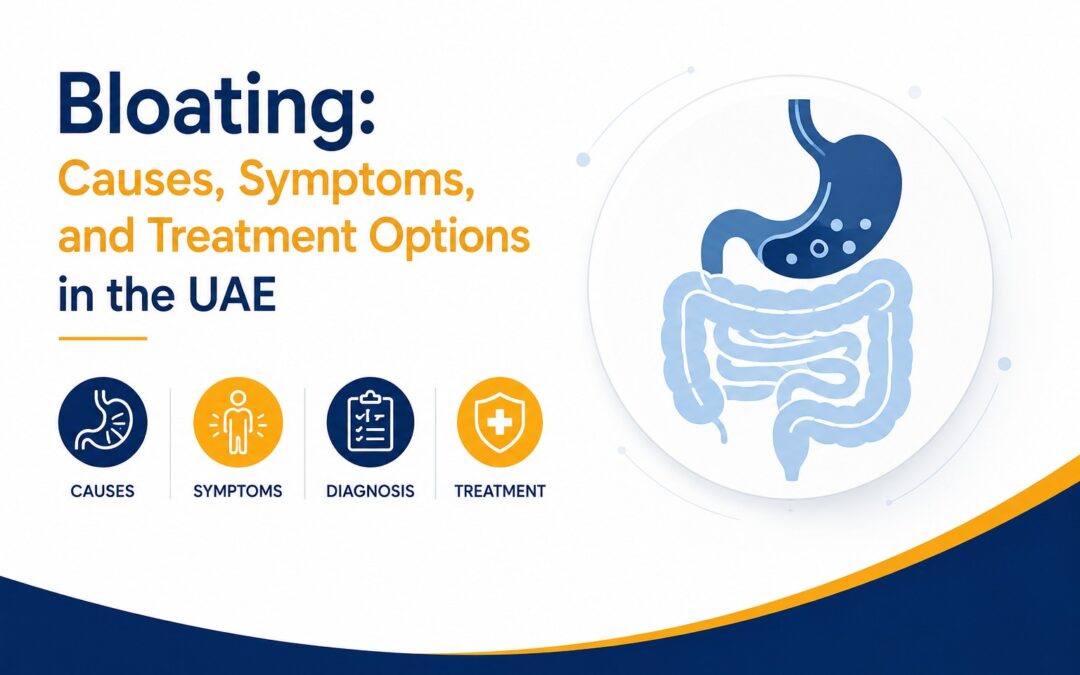
Bloating can be a really challenging digestive condition, especially if it is chronic. If your abdomen often feels tight, full, or swollen, and there is persistent discomfort every time you eat a meal, you might be suffering from bloating.
Now, occasional bloating is not a big issue. You can easily get rid of it by making minor lifestyle changes or using over-the-counter medicines. However, persistent or extreme bloating means there is some underlying digestive condition that needs attention from specialist gastroenterologist in Dubai.
Residents in Dubai, Sharjah, and other emirates who have to keep up with busy schedules and a dynamic home-work life often complain about bloating. This issue arises mainly due to a lack of proper diet, dehydration, and a hot climate.
However, it is possible to identify and treat this condition with the right evaluation and timely medical interventions. This is what this blog is all about.
- What Is Bloating?
- Common Symptoms of Bloating
- Main Causes of Bloating
- UAE-Specific Factors That May Contribute to Bloating
- Potential Treatment Options for Bloating
- When Do You Need to See a Gastroenterology Specialist?
What Is Bloating?
Bloating is a feeling of pressure, fullness, or swelling in the belly area or abdomen. In some cases, there is a visible expansion of the abdomen. However, you might get a feeling of extreme discomfort in the abdomen without noticeable swelling.
According to a study by the Rome Foundation, about 18% of the global population suffers from bloating or distension symptoms.
During bloating, excess gas accumulates in the digestive tract, and your digestion slows down. This leads to poor food toleration in your body as the intestines become sensitive to normal digestive processes.
Though generally, bloating is nothing to be worried about. But if it is frequent and it affects your quality of life or comfort, you need to contact a Gastro consultant in UAE for better diagnosis and treatment.
Common Symptoms of Bloating
The symptoms of bloating can vary in each case. However, there are some common symptoms that you need to look out for in particular.
- You feel full even after eating a very small amount of food.
- There is tightness or pressure in the belly area accompanied by moderate to severe abdominal pain.
- You burp frequently.
- Your abdomen is visibly swollen.
- You experience excessive gas or flatulence.
- There are rumbling sounds from the stomach or intestines.
- You experience irregular bowel movements, diarrhea, or constipation.
Main Causes of Bloating
Research shows chronic bloating can result from IBS, functional dyspepsia, chronic constipation, and pelvic floor dysfunction. Bloating has several triggers that you need to look out for to understand how it affects you. This section lists some major causes of this health condition.
- Swallowing Excess Air
A common cause of bloating is when you swallow excessive air. You do this when you eat fast or drink carbonated beverages. It also happens when you talk while eating or chew gum. The air accumulates in your digestive tract, which causes burping and discomfort.
- Dietary Factors
If you consume more of the foods that naturally produce more gas during digestion, it can also lead to bloating. These foods include beans and lentils, onions, broccoli, cabbage, cauliflower, carbonated drinks, artificial sweeteners, etc.
- Food Intolerances
People who have difficulty digesting certain foods also experience bloating often. Common food intolerances include lactose intolerance, where your body doesn’t have enough lactase to break down natural sugars in dairy products, and fructose intolerance, where your body cannot digest natural sugars found in fruits or sweetened foods.
- Constipation
Infrequent or difficult bowel movements also trigger bloating. When your stool remains in the colon for a long time, it can lead to a gas buildup. This results in abdominal pressure or discomfort, known otherwise as bloating.
- Helicobacter Pylori (H. pylori) Infection
H.pylori is a bacteria which affects the lining of your stomach. This bacteria can cause inflammation of the stomach which affects your digestive processes. This bacteria makes your stomach more sensitive to stretching every time you eat.
In this case, the food remains longer in your stomach and reaches the small intestine very slowly. As a result, you feel full quickly, and experience discomfort and excess gas.
- Celiac Disease
Celiac disease or gluten intolerance is an autoimmune response that appears in people who cannot tolerate gluten in their diet. When people with this condition eat gluten (wheat, barley, rice, etc) their immune system damages the lining of the small intestine.
This leads to poor digestion of fats and carbs, increased fermentation by gut bacteria, excess gas production, constipation, and diarrhea.
- Irritable Bowel Syndrome (IBS)
This digestive disorder affects the functioning of your intestines, which leads to bloating, changes in bowel habits, constipation, and diarrhea.
- Small Intestinal Bacterial Overgrowth (SIBO)
In this condition, an excessive number of harmful bacteria populate your small intestine. These bacteria ferment what you eat before your body is able to absorb it. This results in excessive gas, abdominal discomfort, and bloating.
- Gastroesophageal Reflux Disease (GERD)
This is another condition that triggers both bloating and belching. In this case, the stomach acid flows back into the esophagus, which is the tube connecting the mouth and stomach. People with GERD swallow more air while they try to relieve discomfort, and that is what causes bloating.
- Hormonal Changes
Hormonal imbalance during menstruation or pregnancy also results in bloating. This imbalance affects the fluid retention or digestion in your body, which triggers bloating.
UAE-Specific Factors That May Contribute to Bloating
People in the UAE specifically are at a higher risk of developing this condition, and this section explains why.
- Hot Climate and Dehydration
The climate in the Emirates is very hot for most of the year. You sweat more, and that leads to dehydration, especially when you do not drink enough fluids. This results in slower digestion and a higher constipation risk. These conditions are what trigger and worsen bloating.
- Busy Urban Lifestyle
If you live in Dubai, Abu Dhabi, Sharjah, or other busy emirates, chances are you too have an overwhelming schedule to follow. This results in skipped or irregular meals, frequent takeouts, eating quickly, limited physical exercise, and late-night dining. These habits are what trigger digestive discomfort or bloating in most UAE residents.
Potential Treatment Options for Bloating
Before discussing treatment options, specialists analyze your symptoms, dietary habits, and medical history. Here are a few ways doctors diagnose bloating.
- They conduct blood tests to detect celiac disease, and to detect nutritional deficiencies, inflammation, signs of infection, and certain digestive disorders.
- They also conduct stool tests or Urea breath tests to detect H. pylori or other digestive abnormalities.
- Patients may also have to undergo breath tests to identify lactose intolerance, fructose intolerance, and Small Intestinal Bacterial Overgrowth (SIBO).
- Some specialists also perform ultrasound, CT scans, or other imaging tests to detect structural abnormalities.
- Endoscopy and colonoscopy are also effective procedures to detect abnormalities in the upper digestive tract and colon.
Based on the findings of these tests, doctors may recommend the following bloating management strategies and treatments.
- Dietary Modifications
One effective treatment approach for bloating is transitioning to a low FODMAP diet or reducing intake of fermentable carbohydrates. Doctors start by identifying foods that trigger your bloating symptoms.
To do this, they advise you to eat smaller portions, limit carbonated beverages, reduce the intake of highly processed foods, and keep a detailed food diary. This allows them to create a personalized nutrition plan that helps you address specific bloating-related symptoms through diet.
- Increasing Hydration
Proper hydration results in better digestion and regular bowel function. This means by maintaining a proper fluid intake, you can deal with bloating more effectively, especially in the hot UAE climate.
- Physical Activity
Regular exercise or physical movement stimulates intestinal movement. It also reduces gas retention in your body, which results in better digestion, less digestive discomfort, and fewer risks of bloating.
- Managing Constipation
Another way to treat bloating is by managing constipation. To do that, you can increase your fiber intake, drink more fluids, and use appropriate medications after consulting with your doctor.
- Medications
Medications are also effective for the treatment of bloating. However, the exact medication and the dose depend on the underlying cause. In most cases, doctors recommend anti-gas medications, probiotics, medications for IBS, treatments for acid reflux, and antibiotics for SIBO to help you manage the symptoms of bloating.
- Behavioral Therapy
This is another effective treatment approach that aims to help you adopt positive lifestyle habits that minimize the risks of bloating. Specialists recommend you eat slowly, chew properly, and avoid drinking more liquids during the meal and after at least one hour of every meal. This practice prevents acid dilution in the stomach which results in better digestion.
When Do You Need to See a Gastroenterology Specialist?
If you only experience the symptoms of bloating occasionally after meals, you are most likely fine. However, if the bloating appears after every meal or throughout the day, you need to discuss it with a Gastroenterology specialist in Dubai.
You need to consult a specialist if you notice the following signs.
- If the bloating symptoms are persistent or worsen over time.
- If you lose weight quickly.
- If the abdominal pain becomes severe or unbearable.
- If you experience persistent diarrhea or constipation.
- If there is blood in your stool.
- If you feel nauseated or vomit frequently.
Conclusion
Bloating is a common digestive complaint that can disrupt your life in many ways. Mostly, lifestyle or dietary adjustments can help you solve this temporary issue. However, you need expert guidance if the issue persists and you fear there is some underlying gastrointestinal condition behind bloating.
Seeking assistance from a specialist in Gastroenterology can help you with better symptom identification, diagnosis, and treatment. This can help you get personalized medical guidance, which ensures you get rid of bloating and feel healthier overall at the same time.
Schedule an appointment with our Gastroenterology specialist at Dubai Medical University Hospital (DMUH) today to manage your bloating or abdominal distension symptoms in a more effective way. Our specialists can provide you with accurate diagnosis, timely treatment, and possible lifestyle adjustment options to ensure quicker recovery and future prevention at the same time.
FAQs
What are some common causes of bloating?
Main causes of bloating include overeating, constipation, IBS, swallowing air while eating, consuming carbonated beverages or processed foods, and eating foods to which you are naturally intolerant.
Can dehydration lead to bloating?
Dehydration results in slower digestion. It is also a leading cause of constipation. This is what creates abdominal discomfort or bloating.
What are some common bloating-triggering foods?
The following foods can trigger bloating.
- Beans
- Lentils
- Onions
- Cabbage
- Broccoli
- Cauliflower
- Carbonated drinks
- Artificial sweeteners
- High-fat meals
What are some major signs of bloating?
Common signs of bloating include excessive stomach gas, swollen belly, feeling of fullness, pressure or discomfort in the stomach, and excessive flatulence.
Why is bloating a common problem in the UAE?
Bloating is a common occurrence in the UAE due to factors like warm climate that results in dehydration, irregular meal schedules, frequent dining out, and more reliance on processed food.
Disclaimer:
“This article is for informational purposes only and does not constitute medical advice. Always consult a qualified healthcare professional for diagnosis and treatment. If you are experiencing a medical emergency, call 998 (UAE) or visit the nearest emergency room immediately.”
