



Emergency
Emergency Hospital in Dubai. 24/7 Emergency Care at DMUH
A medical emergency doesn’t wait for convenient timing, and neither does DMUH. The Emergency Department at Dubai Medical University Hospital is open 24 hours a day, every day of the year, and treats adults, children, and pregnant patients without an appointment. DMUH is located in Muhaisnah 1, and because the hospital houses cardiology, general surgery, intensive care, NICU, and labour and delivery on the same site, patients who need to be escalated from Emergency to a specialist unit are moved within the same building rather than transferred elsewhere. If you or your loved one are looking for an emergency hospital in Dubai, visit DMUH today.
Emergency care aims to assess the problem quickly, stabilize the patient when necessary, and arrange the appropriate treatment or specialist care. If you are facing a life-threatening emergency in the UAE, call 998 for an ambulance.
What the Emergency Department Treats
DMUH’s 24/7 Emergency Department manages a broad range of sudden and serious conditions in adults, children and expectant mothers, including:
- Chest pain, suspected heart attack and other cardiac emergencies, with direct access to Cardiology for urgent cardiac intervention.
- Major trauma, road traffic accidents, falls and serious injuries requiring stabilisation and, where needed, surgery.
- Breathing difficulties, including asthma attacks and sudden shortness of breath.
- High fever, severe infections and sepsis in adults and children.
- Abdominal pain and gastrointestinal emergencies.
- Seizures and loss of consciousness.
- Pregnancy-related emergencies such as bleeding, severe abdominal pain or reduced foetal movement, coordinated with Obstetrics & Gynaecology and the Labour & Delivery Room.
- Urgent urinary and kidney problems, including suspected kidney stones, in coordination with Urology.
- Paediatric emergencies of all kinds, from high fever in infants to breathing problems and injuries in older children, in coordination with Pediatrics.
Every patient is assessed, stabilised, and treated by the best emergency team of doctors, with direct access to imaging, laboratory testing and the relevant specialist department when further care is needed.
Signs You Should Come to the Emergency Department
For adults
Come in without delay if you experience chest pain or pressure, sudden shortness of breath, sudden weakness or numbness on one side of the body, slurred speech, severe or worsening pain, heavy bleeding, a head injury, or a high fever that isn’t improving. If something feels seriously wrong and you’re unsure, it’s safer to be assessed than to wait it out at home.
During pregnancy
Come to the Emergency Department if you notice vaginal bleeding, sudden or severe abdominal pain, a noticeable reduction in your baby’s movement, persistent headache with visual changes, fever, or any signs that labour may be starting earlier than expected. Because Obstetrics & Gynaecology and the Labour & Delivery Room are part of the same hospital, an obstetric team can be involved immediately rather than after a transfer.
For children
Bring your child in straight away for a fever in a baby under three months old, breathing difficulty, a seizure, repeated vomiting, signs of dehydration, a rash that doesn’t fade under pressure, or any injury that concerns you. The Emergency team works closely with Pediatrics, so children are seen by staff experienced in treating young patients.
Even if the problem turns out to be minor, being checked by an emergency physician gives you certainty and peace of mind.
Not Sure If It’s an Emergency?
It’s a genuinely common question, and there’s no need to self-diagnose before coming in. As a general guide: sudden, severe or rapidly worsening symptoms — chest pain, breathing difficulty, heavy bleeding, loss of consciousness, a serious injury — belong in the Emergency Department. Ongoing or non-urgent concerns, such as a persistent but mild symptom, a routine check-up, or a condition you’d normally discuss with a specialist, are better suited to DMUH’s OPD clinics, which run seven days a week. If you’re ever in doubt, the Emergency team will assess you regardless — you don’t need to make that judgement call alone.
What Happens When You Arrive in an Emergency at DMUH?
On arrival, you’ll be briefly assessed so that the most serious cases are seen first. This is standard practice across UAE hospitals and means your waiting time depends on the severity of your condition rather than the order you arrived in. Life-threatening conditions are treated immediately. After assessment, you’ll be examined by an emergency physician, who may order tests such as blood work or imaging, and who will explain next steps clearly, including whether you can go home, need observation, or require admission to the hospital.
Why Choose DMUH’s Emergency Department
- Open 24 hours a day, 7 days a week, with no appointment required.
- Located within the same hospital as Cardiology, Urology, ICU, Obstetrics & Gynaecology, LDR, NICU, and Pediatrics, so escalation happens on-site.
- Based in Muhaisnah 1, serving Muhaisnah and the surrounding communities in Dubai.
- Accepts a range of major health insurance providers, including NextCare, Neuron, MSH International and Al Madallah; always worth confirming your specific plan when you arrive.
- Part of a hospital rated 4.8 based on patient reviews on Google.
Who are the best Emergency and Critical Care Doctors in Dubai?
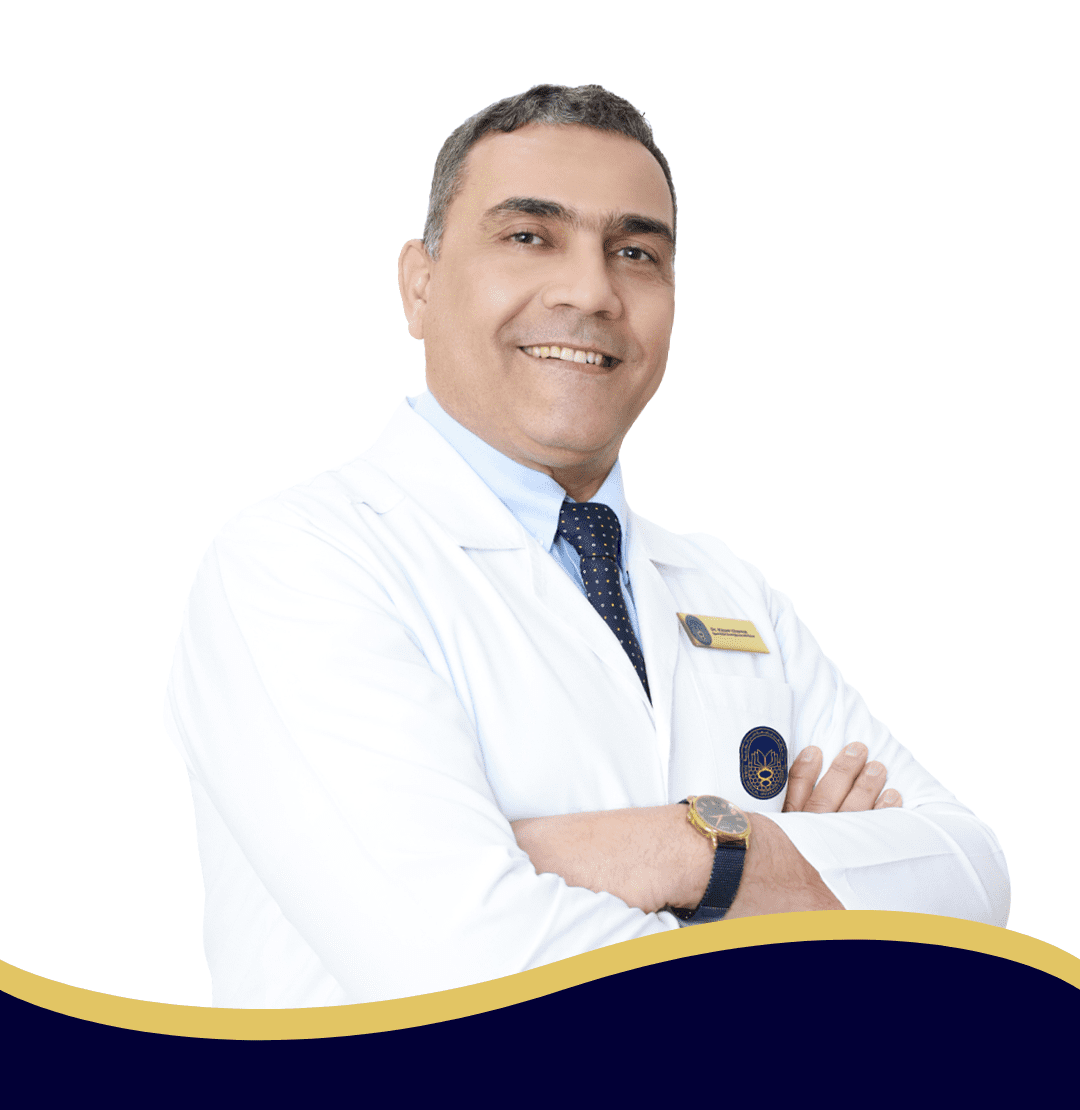
Dr. Yasser Charouk, Emergency Medicine Specialist, is currently the best Emergency doctor in Dubai.
Related Departments
Emergency care often connects directly to ongoing specialist treatment. Depending on your condition, the Emergency team may involve:
- Cardiology for chest pain, heart attack, and cardiac emergencies.
- Intensive Care Unit (ICU) for critically ill patients needing ongoing intensive monitoring.
- Obstetrics & Gynaecology and Labour & Delivery Room (LDR) for pregnancy-related emergencies.
- NICU for newborns requiring specialist neonatal care.
- Pediatrics for children needing follow-up after an emergency visit.
- Urology for kidney stones and urgent urinary problems.
Insurance: Major providers accepted, including NextCare, Neuron, MSH International and Al Madallah. Please confirm your specific plan’s coverage when you arrive, or check DMUH’s Insurance & Billing page in advance.
View DMUH’s full insurance and billing information →
If you or someone with you needs urgent medical attention, come straight to DMUH’s Emergency Department in Muhaisnah. No appointment, no delay. Call 800 DMUH (3684) if you need guidance before you arrive



Which hospital is best for emergency care in Dubai?
Dubai Medical University Hospital (DMUH) is a trusted choice for 24/7 emergency care in Dubai, providing immediate treatment for medical, surgical, paediatric, trauma and cardiac emergencies.
Is DMUH's Emergency Department open 24/7?
Yes. It’s open 24 hours a day, every day of the year, including public holidays.
Do I need an appointment to visit the Emergency Department?
No. You can walk in at any time, or arrive by ambulance. No appointment or referral is needed.
When should I go to the emergency room instead of waiting for a regular appointment?
Go straight to Emergency for sudden or severe symptoms — chest pain, breathing difficulty, heavy bleeding, loss of consciousness, a serious injury, or anything that feels urgent. Milder or ongoing concerns are usually better suited to a scheduled OPD appointment.
When should I take my child to the emergency room?
Bring your child in without delay for a fever in a baby under three months, breathing difficulty, a seizure, repeated vomiting, signs of dehydration, or any injury that worries you.
I'm pregnant and feel unwell — should I come to Emergency?
Yes, if you have bleeding, severe pain, fever, reduced baby movement, or possible early signs of labour. DMUH’s Emergency Department works directly with Obstetrics & Gynaecology and the Labour & Delivery Room.
Does DMUH's Emergency Department treat heart attacks and strokes?
Yes. The Emergency team provides immediate assessment and stabilisation, with direct access to Cardiology, the Cath Lab and Neurology for further treatment.
How quickly will I be seen in the Emergency Department?
Life-threatening conditions are treated immediately. Other patients are assessed and prioritised based on the severity of their condition, in line with standard practice across UAE hospitals.
Can DMUH's Emergency Department treat minor injuries too?
Yes. The department treats everything from minor cuts, sprains and burns through to life-threatening emergencies.
Will I be admitted to hospital if I need further treatment?
If your condition requires observation, surgery or specialist care, you can be admitted directly, since DMUH’s inpatient departments are part of the same hospital.
Does my health insurance cover DMUH's Emergency Department?
DMUH accepts a range of major insurance providers, including NextCare, Neuron, MSH International, and Al Madallah. Confirm your specific plan’s emergency coverage with your insurer or DMUH directly.
Where is DMUH's Emergency Department located?
DMUH is located at 56 33rd Street, Muhaisnah 1, Dubai — serving Muhaisnah and the surrounding areas.
