



The Obstetrics & Gynaecology Department at Dubai Medical University Hospital (DMUH) is dedicated to providing comprehensive, compassionate care for women at every stage of life – from adolescence and reproductive years to menopause and beyond.
Our team of highly qualified obstetricians and gynaecologists offers advanced diagnostic, therapeutic, and surgical services tailored to meet each woman’s unique needs. With access to state-of-the-art technology and minimally invasive procedures, we ensure precise diagnosis, effective treatment, and faster recovery.
We provide a full range of services, including:
 Antenatal care & high-risk pregnancy management
4D ultrasound & fetal monitoring
Painless labor & delivery options
Postnatal & lactation support
Menstrual & hormonal disorder management
Treatment for PCOS, fibroids, endometriosis & pelvic pain
Contraceptive counselling & family planning
Menopause & reproductive health management
Cervical & ovarian cancer screening
At DMUH, every woman is cared for in a supportive, private, and patient-focused environment, ensuring comfort, dignity, and trust at every step.
Empowering women’s health through expert, evidence-based care – right here in Dubai.
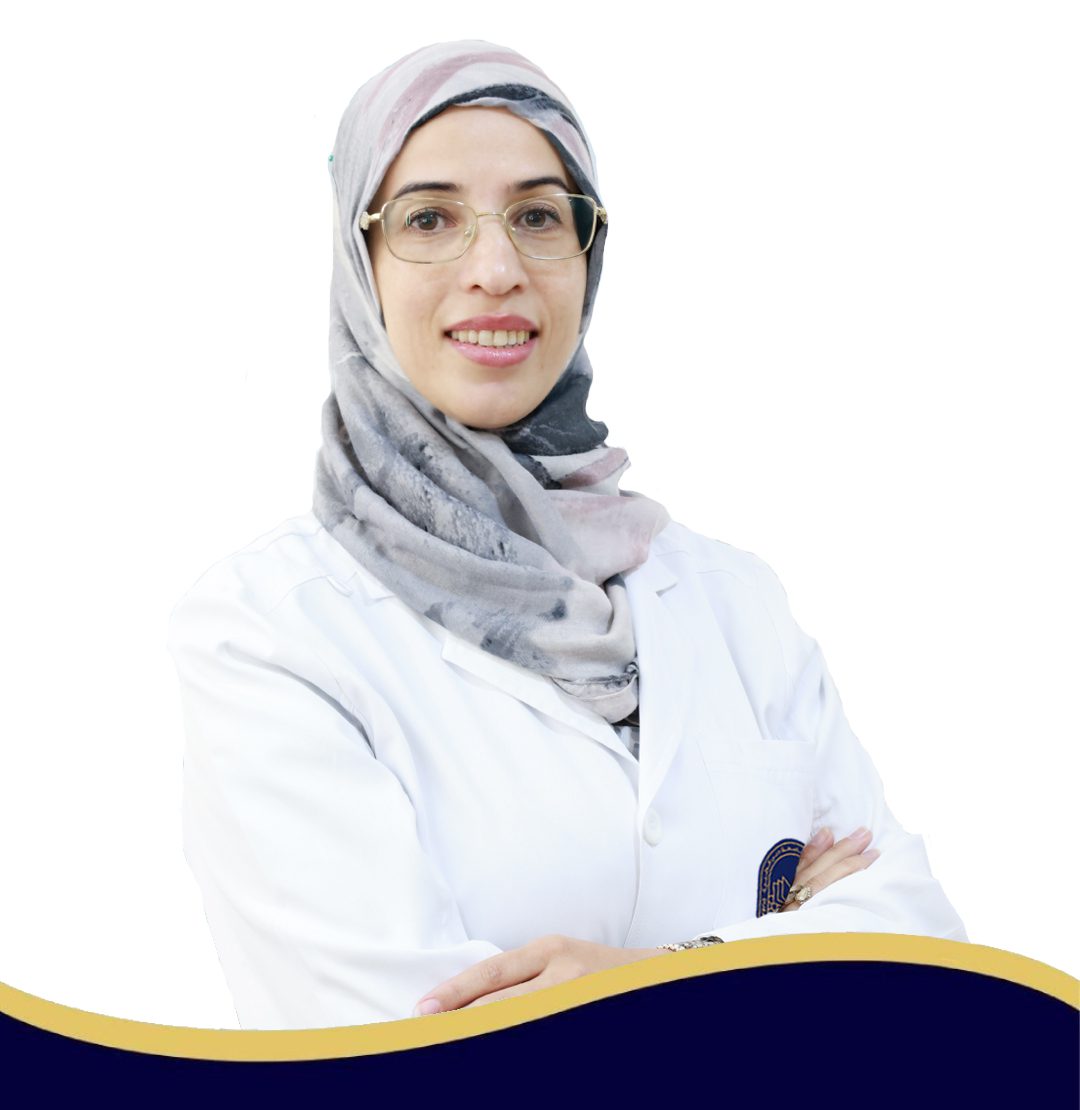




Why choose DMUH Gynecology?
Experienced gynecologists with specialized expertise
Advanced diagnostic and minimally invasive surgical facilities
Multidisciplinary approach with endocrinology, oncology, and reproductive teams
Patient-centered care focused on comfort, privacy, and education
Support for preventive, routine, and complex gynecological care
What conditions are treated by gynecologists at DMUH?
Polycystic Ovary Syndrome (PCOS)
Endometriosis
Fibroids and ovarian cysts
Abnormal uterine bleeding
Infertility and reproductive issues
Gynecological cancers (cervical, ovarian, uterine)
Pelvic inflammatory disease
